
Summer Landscaping Tips
Fertilizer
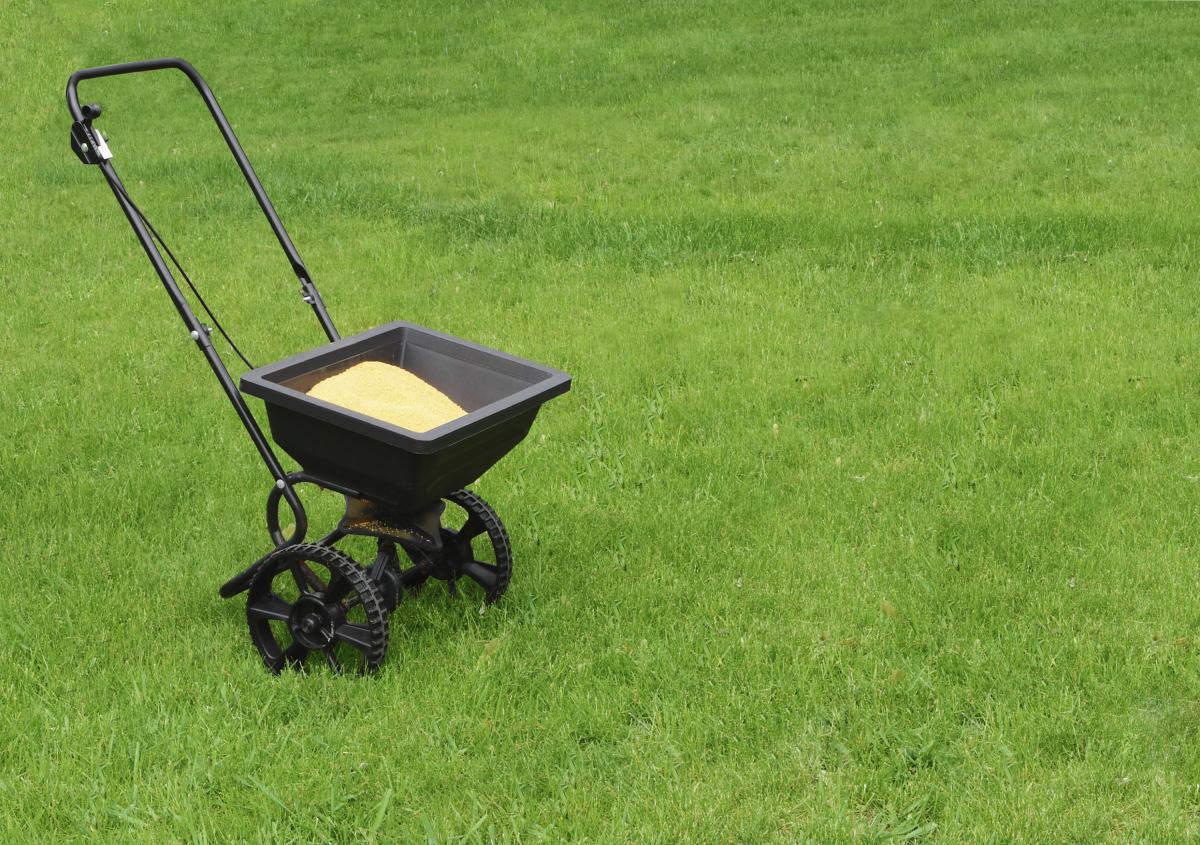 Most lawns don’t need fertilizer now, especially if you applied fertilizer earlier. But this is a good time to apply a half rate (.5 lb. N/1,000 square feet) of natural organic products or other slow-release fertilizer with low burn potential. If good growing conditions persist into midsummer, this little boost will help the turf compete with crabgrass. On poor soils, the organic matter in natural organic products can help build soil health.
Mowing
-
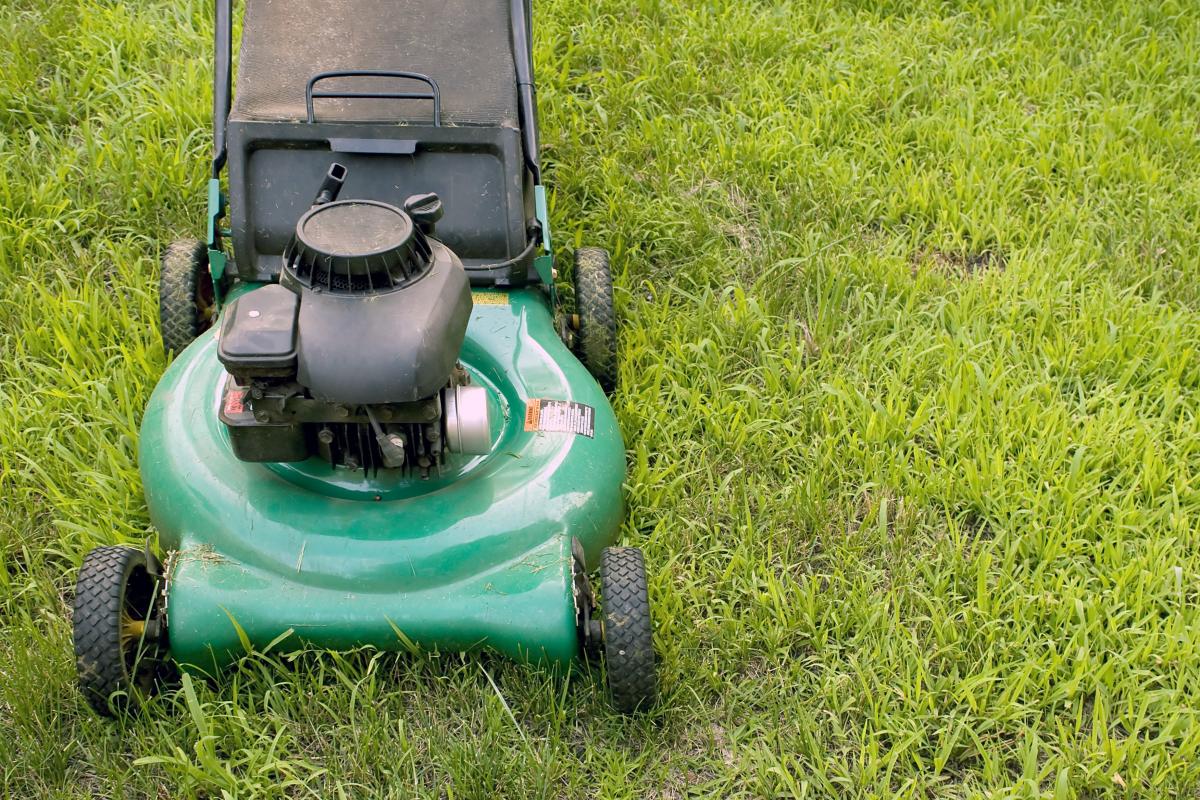 Continue to follow the “One-Third Rule,” never removing more than one-third of the plant. (If you set your mower to mow at 3 inches, mow before the grass reaches 4.5 inches tall.)
 - As grass growth slows in summer, the time between mowing may increase to two weeks or more, depending on temperatures and rainfall.
- Prepare your lawn for more moisture stress by mowing high (at least 3 inches) to encourage strong root systems. This will also help the grass compete with weeds.
- If you follow the “One-Third Rule,” you can leave the clippings on the lawn. They won’t contribute to thatch, and they’ll reduce fertilizer needs.
- Sharpen your mower blade to reduce water loss from plants after mowing. Also avoid mowing during the hottest part of the day.
- When grass growth slows to a crawl or stops due to drought, stop mowing. Resume when rain and cooler weather bring the grass back to life.
Watering
-
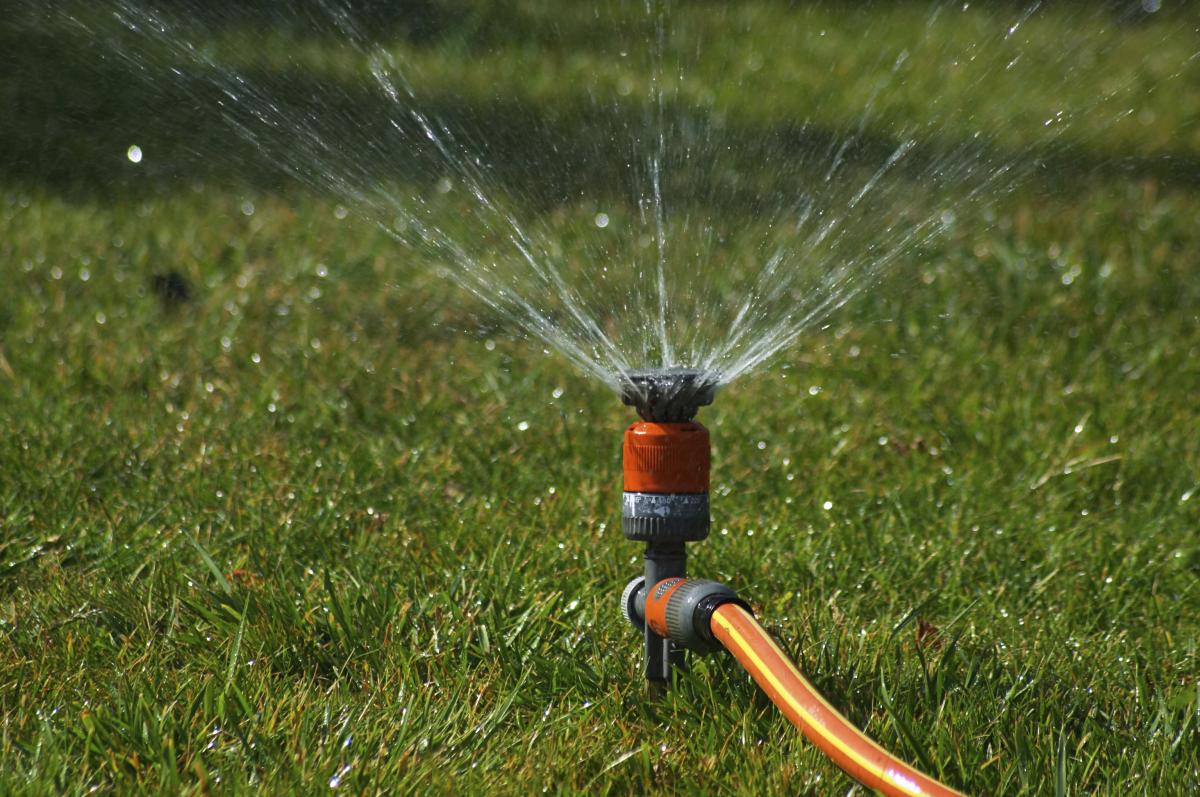 July and August usually are the only months that lawns in New York might need watering.
 - Healthy growing lawn needs about 1 inch of water per week. Use a rain gauge or coffee can to measure how much you receive. If it’s less than an inch, you can water to make up the difference.
- With established lawns, you can skip watering and let the grass go dormant in midsummer. If you choose to water, do it early in the morning to reduce evaporation losses and ensure that plants dry by mid-morning. (Wet leaves can lead to disease.)
- Use tuna cans or other small containers to check the uniformity of your sprinkler system. It is better to water stressed areas by hand rather than to over-water the whole lawn.
- Taper off watering in fall to harden off grass for winter.
Insects
-
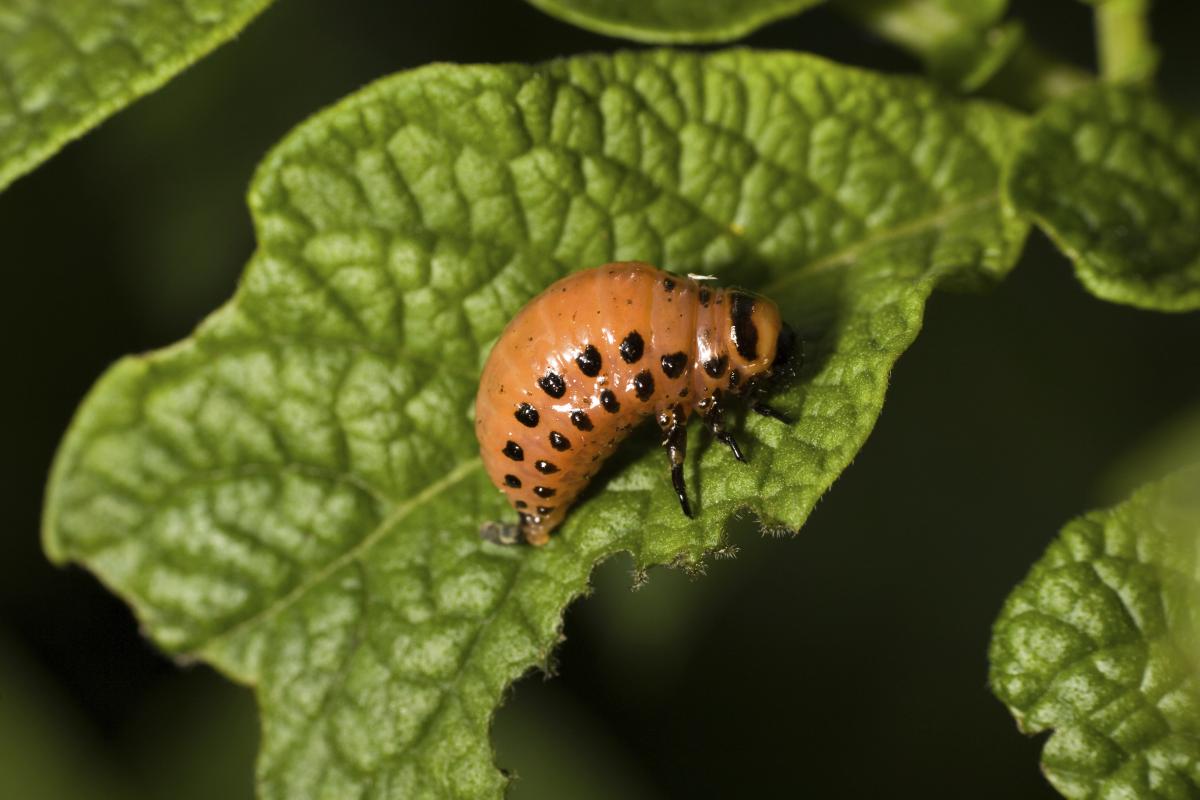 Late July through September is a good time to scout for grubs to see if there are enough to justify treatment. Treating for grubs in spring as they near maturity is often not effective.
 - Pesticide applications, if needed, should happen while the grubs are still young and vulnerable. August is usually best.
- Shaded Kentucky bluegrass lawns established more than 15 years ago are most susceptible to grub damage.
