Fall Landscaping Tips
Mowing
-
.jpg) Continue to follow the “One-Third Rule,” never removing more than one-third of the plant. (If you set your mower to mow at 3.0 inches, mow before the grass reaches 4.5 inches tall.)
Continue to follow the “One-Third Rule,” never removing more than one-third of the plant. (If you set your mower to mow at 3.0 inches, mow before the grass reaches 4.5 inches tall.)
-
Don't leave grass any longer than 3 to 4 inches going into winter. Long grass can mat, encouraging snow mold.
-
Make your last cut about 0.5 to 1.0 inch lower than your normal mowing height to discourage matted grass and snow mold.
Fertilizer
-
.jpg) Home lawns with modest expectations do just fine with a single late-fall fertilization.
Home lawns with modest expectations do just fine with a single late-fall fertilization.
-
Do not fertilize during “Indian summer” – a warm period following hard frost. This may cause excessive topgrowth, reduce root storage, and increase winterkill. The best window for fall application is after topgrowth stops, usually after 10 days when the average daily temperature has been below 50 degrees F. Roots will continue growing and taking up fertilizer until the ground freezes.
Leaf Removal
-
.jpg) Keep leaves out of roadways or drains (they can wash away and pollute waterways with phosphorus).
Keep leaves out of roadways or drains (they can wash away and pollute waterways with phosphorus).
-
Shred fallen leaves with a mulching mower or collect leaves and compost them before snowfall mats them down, which can kill turf.
Aerate
-
Lawns plagued by compaction or thatch (usually not a problem on ryegrass lawns) may benefit from core aeration. A core aerator punches small holes in the lawn and pulls out the cores, increasing the infiltration of water, nutrients and air into the soil. It is most effective as temperatures begin to cool and soil moisture is adequate.
Renovate
-
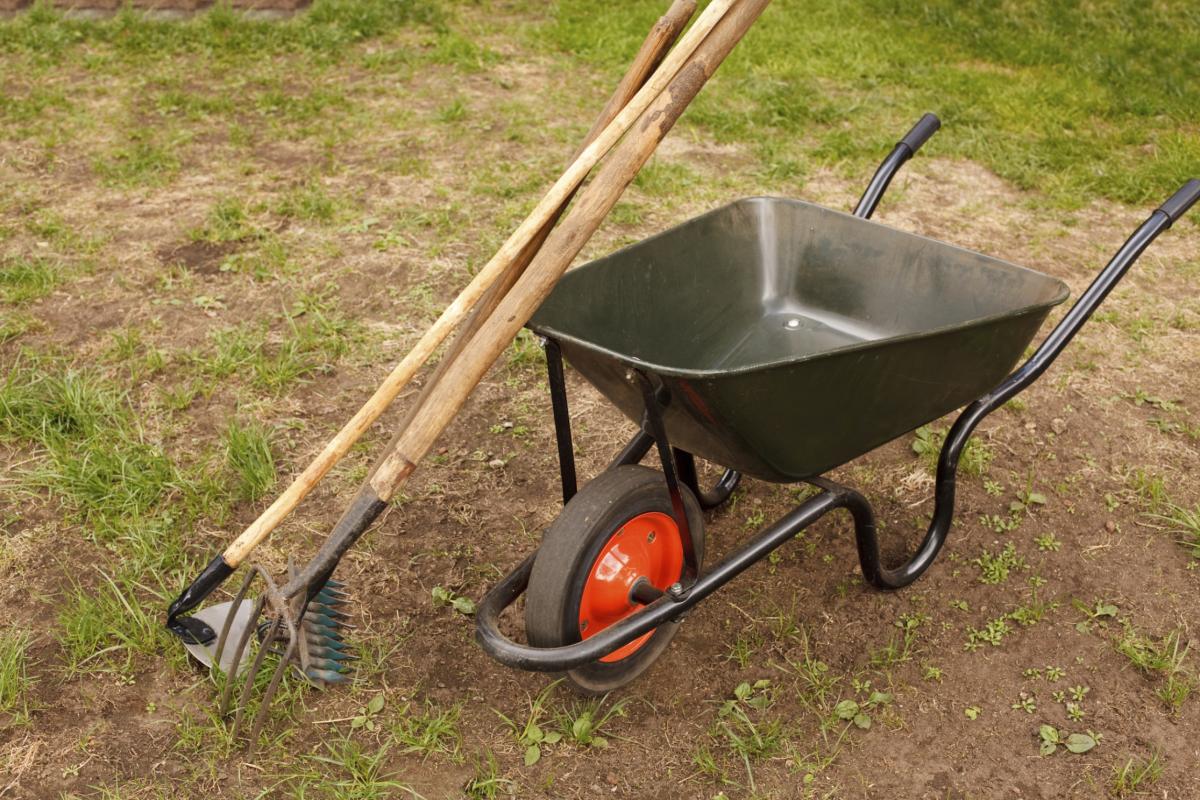 Late August and September are good times to rake up and reseed bare patches in your lawn (iIf you live downstate or on Long Island, this period extends to mid-October.)
-
If your lawn is more than 50 percent weeds, consider a total renovation.
-
Sod installation can continue until the ground is frozen.
Weed Control
-
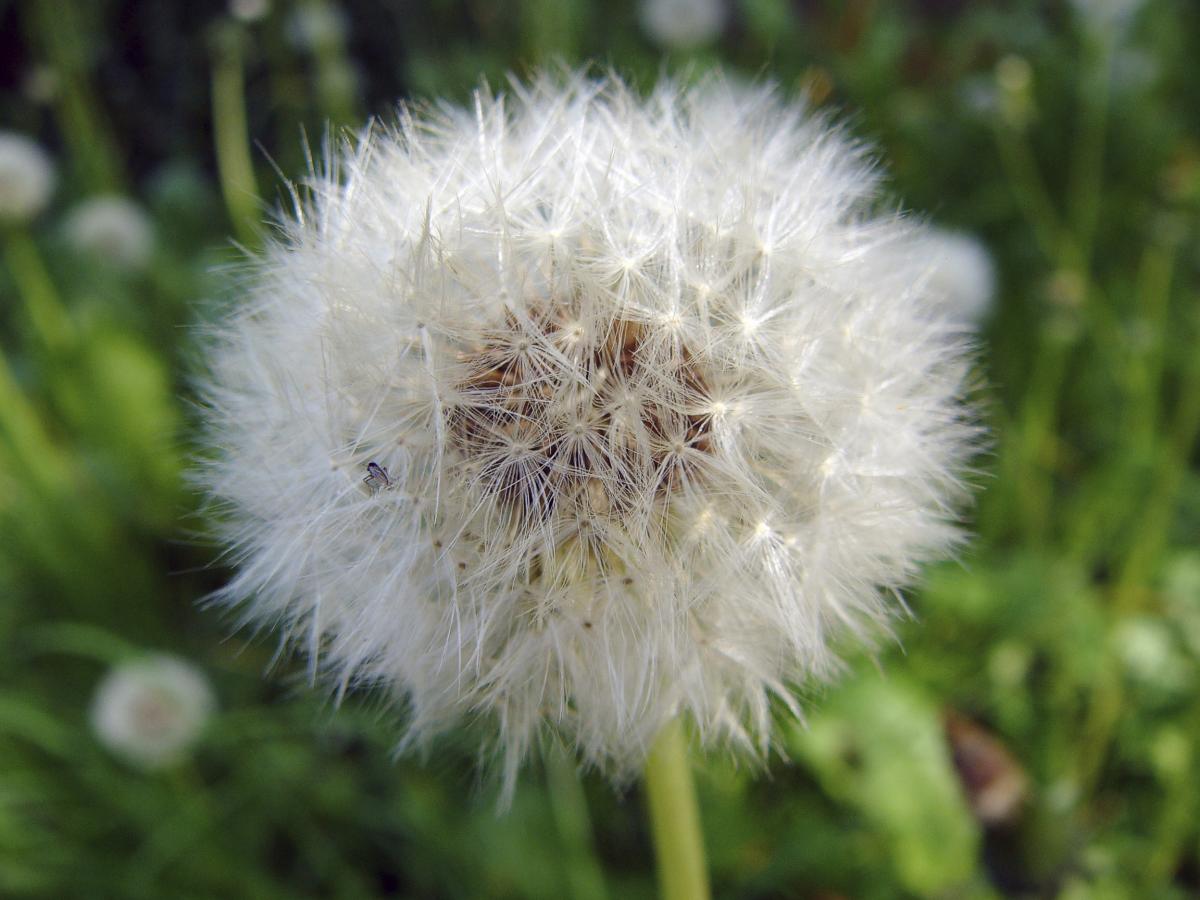 Post-emergent herbicides are particularly effective on broadleaf weeds in fall. That's because the weeds are storing up nutrients for the winter and move the herbicides down into the roots along with the nutrients, giving a better kill.
-
If ground ivy (creeping Charley) is a problem, any product with 2,4-D can provide good control when applied immediately after the first frost.